
Be in the KNOW: Protecting Yourself from HIV
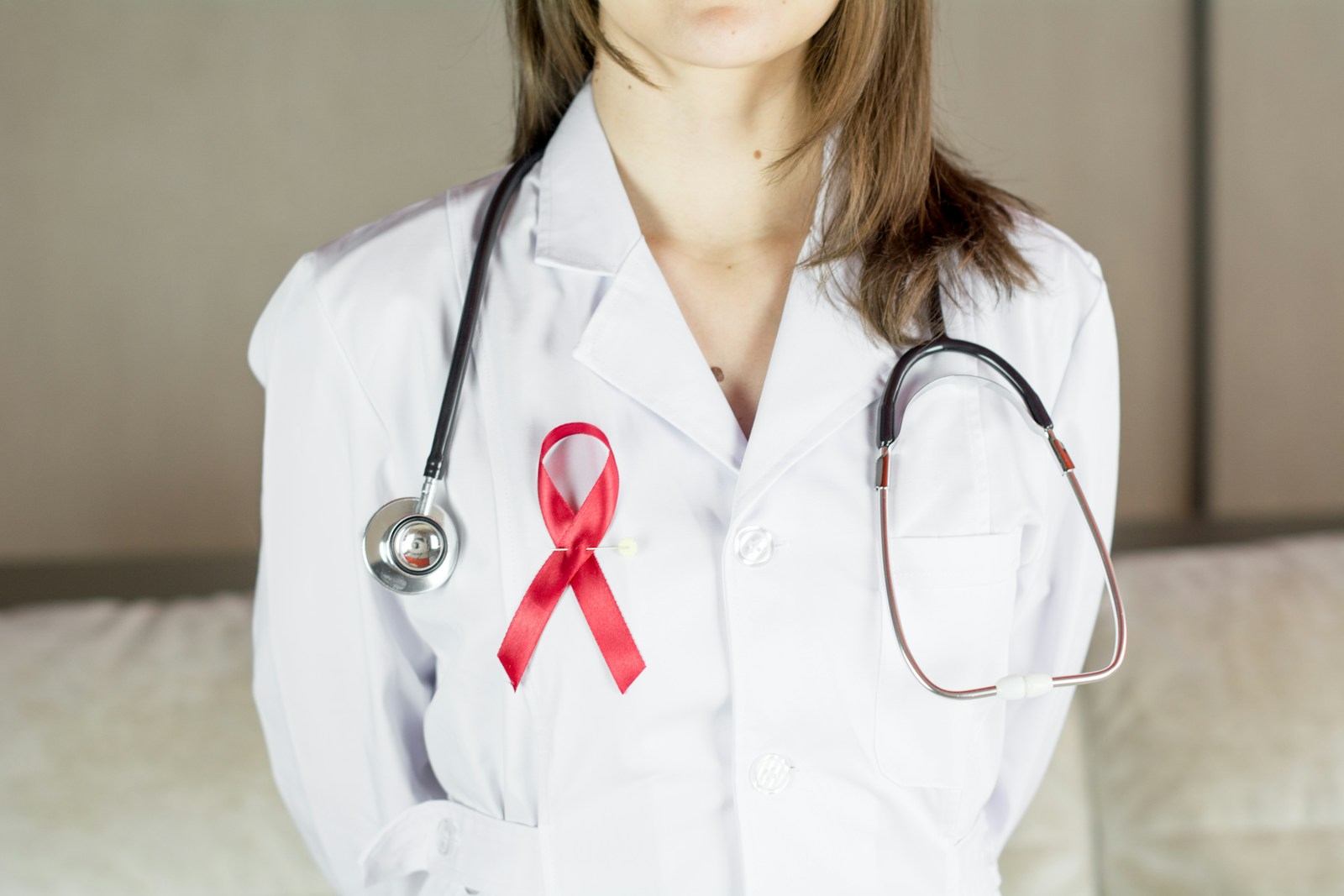
Human immunodeficiency virus, commonly known as HIV, is a virus that attacks the immune system. If not caught in time, HIV can develop into acquired immunodeficiency syndrome also known as AIDS, causing the immune system to fail at protecting the body from various diseases and infections. HIV is mostly transmitted through sexual contact, though one can test positive after a blood transfusion, breast milk (an HIV-positive mother breastfeeding her baby), or by sharing needles.
Be in the KNOW, a digital platform offering sex-positive content, gives readers three ways to decrease their chances of contracting HIV. The first and most common are condoms. When worn correctly, one can reduce their risk of STIs, and unplanned pregnancies are lowered significantly. There are two types of common; internal, worn by those with vaginas, inserted inside covering the labia. External condoms, the most common and accessible type of condoms, cover the penis with room at the tip for ejaculation. Both types of condoms are made of a thin layer of latex and come in varied.
While condoms are the most common, accessible, and affordable option, there are reasons they may not work. Most importantly, some choose not to wear condoms due to embarrassment and stigma. In a 2016 study, Reasons People Give for Using (and Not Using) Condoms, participants said, “Social recognition that one is involved in sexual activities can create embarrassment…for some, the embarrassment norm is stronger than the condom use norm, while for others the condom use norm seems to be stronger (Farrington, Bell, & DiBasco, 2016).
“Social recognition that one is involved in sexual activities can create embarrassment…for some, the embarrassment norm is stronger than the condom use norm, while for others the condom use norm seems to be stronger.”
Another way to protect yourself is using water-based lubricants in conjunction with condoms. Water-based lubricants prevent friction during intercourse which can cause a rip in condoms, therefore failing to protect parties involved in sexual activity. Like condoms, the stigma of buying lubricant can be attached. Spontaneous sex also prevents lubricants from working if both parties aren’t anticipating a hook-up in advance.
PrEP, pre-exposure prophylaxis is a medication that comes in two forms, a pill taken daily, and a bi-monthly injection given by a nurse or doctor for those at higher risk of HIV. Using PrEP and condoms is recommended to keep a person’s chances at nearly zero from sex, and a person who shares needles can reduce their chances by 70 percent (Planned Parenthood, n.d.).
In a female-controlled group, PrEP is viewed as a valuable method that would allow women to protect themselves from HIV infection without dependence on their male sex partners to use condoms. Also stated in the same group, PrEP gave them empowerment, allowed them to enjoy sex casually, protected them in compromising relationships (abusive), and the ability to have a baby with their HIV-positive partner. In the same study, participants noted PrEP could increase risky sexual behavior, fear of side effects, newness of the drug, burden on women, and medical mistrust and stigma (Bond & Gunn, 2016).
A person can reduce their risk of contracting HIV/AIDS from sex by using condoms correctly, using lubricant with condoms, and taking PrEP. While these options are available, it is up to the person to learn how to use these options safely and correctly. Between stigma and spontaneity, a lot of people opt out of using methods to protect themselves, increasing their chances of contracting HIV and other STIs. The best way to normalize the use of protection is to help break the stigma of HIV and continue to provide non-judgmental conversations.
Related Articles
Medical Marijuana: A Look at the Pros and Cons
At age five, Charlotte Figi was having three hundred seizures a week (average about one every 30 minutes) confined to a wheelchair and using a feeding tube as swallowing was difficult for her. Her frequent seizures represented a response to a rare form of epilepsy...
The Brain: A Complex, Ever-Evolving Organ
John Nash, a Nobel Prize-winning mathematician made major contributions to various aspects of mathematics and economics, including game theory, algebraic geometry, differential geometry, and partial differential equations. Aside from his intelligence, one notable...
Being Asexual: Is Love Without Sex Possible?
Staring across the room, the person who makes your heart beat a mile a minute catches your eye. Gathering your nerves, you walk up to them and start to talk. No one is perfect but you believe this person is. You have so much in common, it’s almost like it was meant to...